
No two bodies are the same—yet most massage chairs used to treat every user the same way. That's changed. Today's robotic massage chair models use a technology called Hall Sensor Body Detection to scan your height, shoulder position, spine curve, and pressure points before a single roller moves. The result is a massage that fits you, not an average user.
In this guide, we'll break down what Hall Sensor Body Detection actually is, how it works, why it matters for a true Full Body Massage Chair experience, and how it's used in real products like the ROTAI R-NEXA.
What Is Hall Sensor Body Detection?
Hall Sensor Body Detection is an AI-driven scanning system built into modern massage chair models. It uses Hall effect sensors—small magnetic-field sensors—mounted on the motorized roller track. As the roller glides along your back, these sensors measure tiny changes in magnetic field position to track exactly where your neck, shoulders, spine curve, and lower back are located in real time.
Instead of guessing your body shape from a preset height range, the chair physically maps your body before the massage begins.
How Does It Work? (Step-by-Step)
Initial Scan: When you sit down and start a program, the roller mechanism moves along the track from top to bottom (or vice versa), scanning your back.
Magnetic Field Reading: Hall sensors detect subtle shifts in position as the roller passes key landmarks—the base of your neck, shoulder blades, and the small of your back.
Data Mapping: An onboard algorithm converts these readings into a body map, identifying your height range, shoulder width, and spinal curve.
Adaptive Adjustment: The chair's AI engine uses this map to calibrate roller pressure, massage width, and technique for each detected zone — so your shoulders get shoulder-appropriate pressure, and your lower back gets a different treatment entirely.
Continuous Correction: In advanced chairs, this isn't a one-time scan. The system re-checks alignment throughout the session, preventing the rollers from drifting off target as you shift position.
Why It Matters: Precision Over Guesswork
Older massage chairs relied on fixed height brackets (e.g., "suitable for 5'2" to 6'2""), which forced a wide range of body types into the same track pattern. This often meant:
Rollers landing on bone instead of muscle
Uneven pressure across the shoulders
Discomfort for shorter or taller users at the range's edges
With Hall Sensor Body Detection, a robotic massage chair removes this guesswork. Because the system detects your actual body contours rather than assuming them, it can deliver targeted pressure exactly where muscles are tense—a meaningful difference for anyone using the chair for genuine muscle recovery rather than generic relaxation.
Hall Sensor Detection in Action: ROTAI R-NEXA
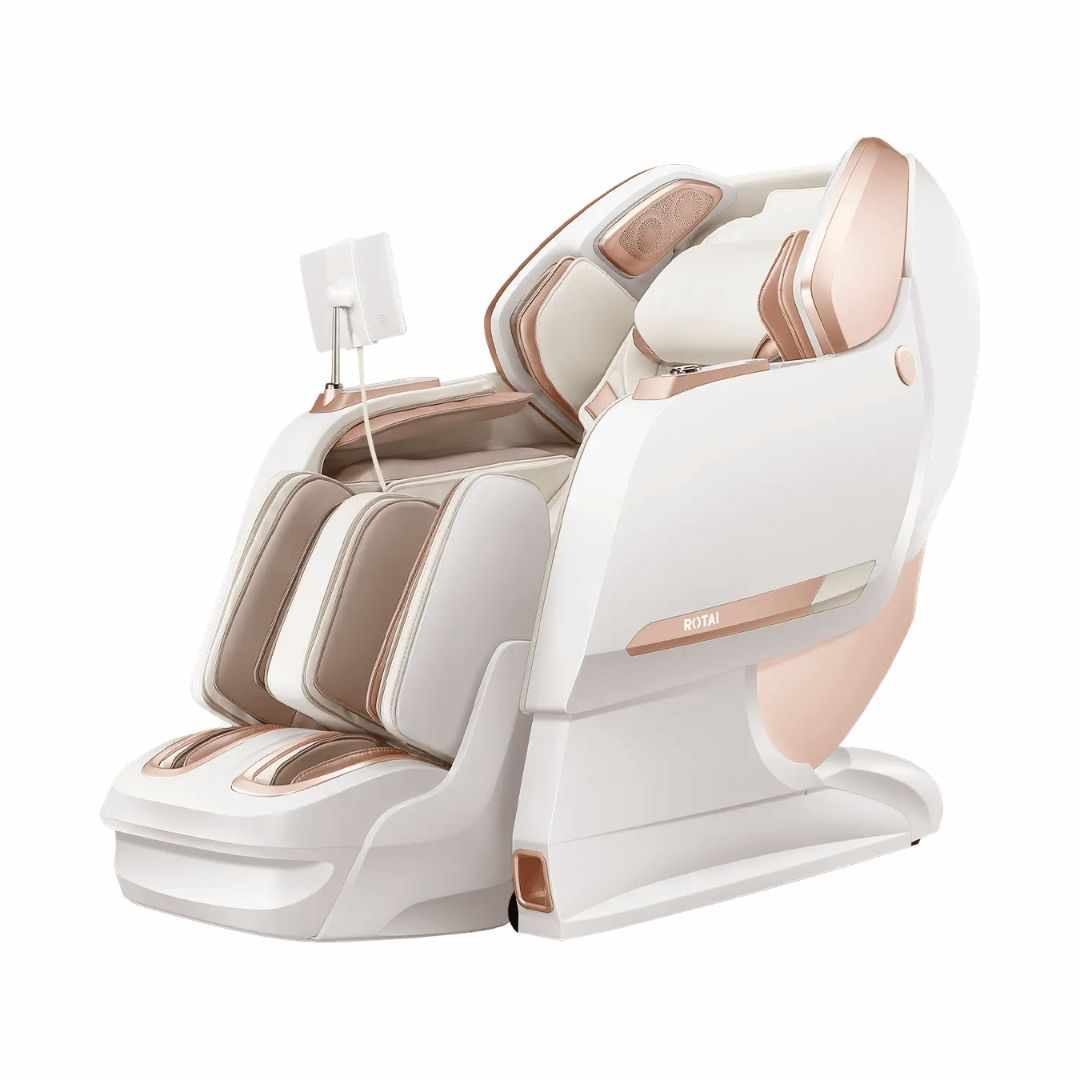
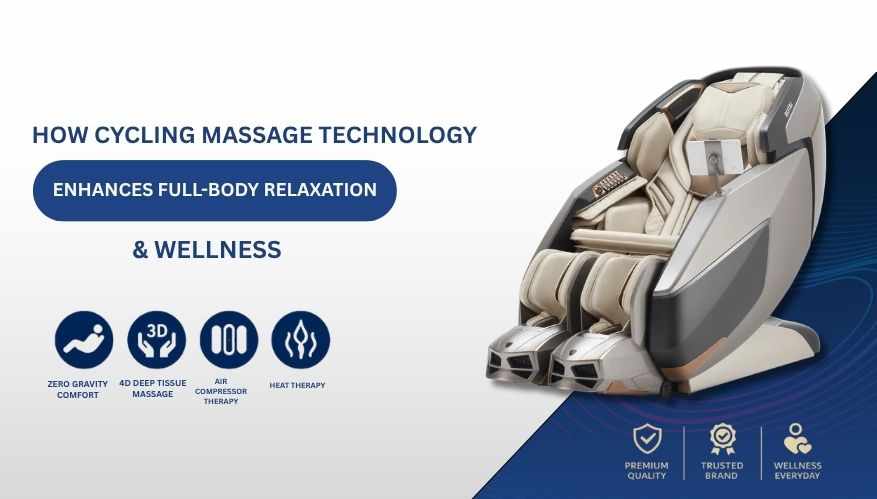
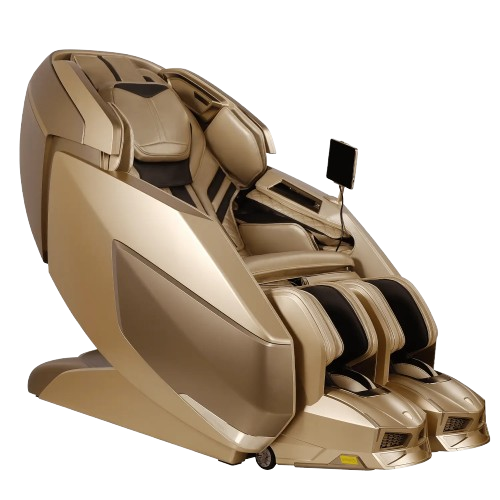
A strong real-world example of this technology is the ROTAI R-NEXA 4D Robotic Massage Chair, which pairs Hall Sensor Body Detection with its Lingxi 4D Precision AI system. Here's how it's implemented:
AI Smart Body Scan: The motorized roller uses Hall sensor technology to track body movement and map the entire back accurately before each session.
Automatic Zone Adjustment: Once your body zones are mapped, the chair automatically adjusts pressure and massage technique per zone—preventing the misaligned massage common in fixed-track chairs.
Wide Compatibility: The system is built to fit users from 1500 mm to 1900 mm (roughly 4'11" to 6'3") in height, giving a personalized fit across a broad range of body types.
Combined with Dual-Core Massage: The R-NEXA's Upper 4D SmartSync Core (neck-to-back precision) and Lower 3D Hip Mechanism (24 cm ultra-wide hip and lower-body coverage) work off the same body map, so both halves of the massage stay coordinated.
Golden Angle FlexTrack: A 160° reclining track keeps guide-rail pressure at or below 30 mmHg, meaning the detected body map translates into a stretch that stays pressure-free even at a deep recline.
This is layered on top of 38-airbag full-body compression, dual zero-gravity recline, and 29 professional massage programs—all calibrated using the initial body scan.
Who Benefits Most from This Technology?
Multi-person households: If your family spans different heights, Hall Sensor Body Detection means every user gets a properly aligned massage without manual adjustment.
Desk workers with posture issues: Precise shoulder and spine mapping targets the exact areas strained by long hours at a screen.
Anyone recovering from muscle fatigue: Accurate zone detection means airbags and rollers apply therapeutic pressure where it's actually needed, not just where the chair assumes it should go.
Frequently Asked Questions
What is Hall Sensor Body Detection in a massage chair?
It's an AI-based scanning system that uses Hall effect (magnetic field) sensors on the roller track to map a user's height, shoulder position, and spine curve, then adjusts massage pressure and technique to match.
How is Hall Sensor Body Detection different from a regular body scan feature? Standard body scan features often rely on infrared or basic pressure sensors and a fixed height range. Hall Sensor Body Detection uses magnetic-field tracking for more precise, real-time positioning, which allows the chair to fine-tune pressure per detected zone rather than applying a general pattern.
Does Hall Sensor Body Detection work for all body types?
It's designed to work across a wide height range—for example, the ROTAI R-NEXA supports users from 1500 mm to 1900 mm—making it suitable for most adult body types in one household.
Is Hall Sensor Body Detection available only in premium massage chairs? Currently, it's found mainly in advanced AI-powered models, such as robotic massage chairs with 4D or dual-core massage mechanisms, since the technology requires a motorized roller track and onboard AI processing.
Can Hall Sensor Body Detection improve massage chair safety?
Yes. Because the chair understands where your body actually is, it's less likely to apply pressure to bone or joints instead of muscle, and it pairs well with anti-pinch safety sensors used in modern full body massage chairs.
Final Thoughts
Hall Sensor Body Detection represents a real shift in how a massage chair understands the person sitting in it. Rather than forcing every user into a fixed template, it scans, maps, and adapts—turning a generic message into a genuinely personalized one. If you're comparing options, look for this feature specifically in any AI-powered robotic massage chair you're considering, since it directly affects how accurately the chair can deliver a true full-body massage chair experience.
Explore the technology in person on the ROTAI R-NEXA 4D Robotic Massage Chair product page.


Write a comment ...